
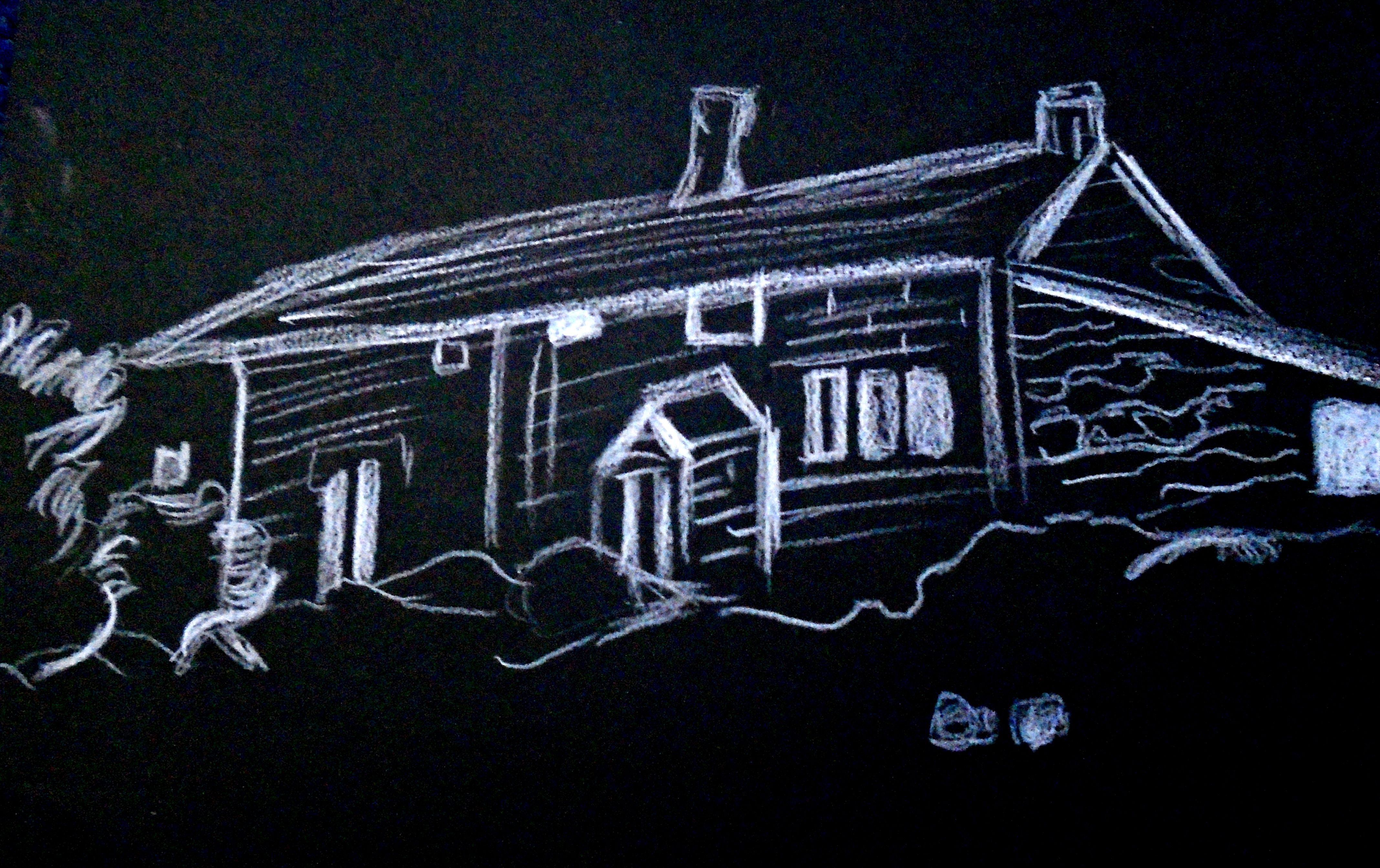
‘It’s midsummer 1933. Hill top farmers above Hebden Bridge are taking in the hay. Evening is falling. The final act of a cruel and brutal marriage is about to play out.’ Matilda Wilding, speaking to Hebden Bridge Local History Society explained why she was drawn to the story of a murder at Snow Booth, a remote farmhouse on Midgley Moor. It was a story that revealed attitudes to gender and justice and which also appealed to the historical researcher trying to get to the heart of what happened.
Matilda gave us some idea of the challenges and excitement of exploring official documents, newspapers and the treasures of the National Archives at Kew, which had that frisson of connection with people and events from the past. She could unravel the basic biographies of some of the protagonists in the story of how Elizabeth Agnes Rhodes was found guilty of murdering her husband, Samuel Redmain Rhodes. Elizabeth was born into a large Roman Catholic family in County Dublin. Described as semi-educated she had attended school till fourteen then followed the common path into domestic service. Samuel Rhodes was the son of George Rhodes living in Lancashire. He had served in the British army in world war one, but his records are incomplete. In 1919 he met and married Elizabeth and over the years they lived and worked at various farms in the Hebden Bridge area, including Egypt Farm at Colden, Old Chamber in Erringden and finally at Snow Booth, Wadsworth.
Evidence provided at her trial in 1933 tell the story of a miserable marriage. Samuel’s family complained about her poor housekeeping, unwillingness to join in family occasions and unreasonable suspicions of her husband. Others thought her a good worker and ‘clean in herself’. Witnesses testified to the brutal and violent behaviour of Samuel to his wife. She had made complaints to the police and there was even a solicitor’s letter demanding that Samuel change his behaviour. But attitudes to divorce probably made it impossible for Elizabeth to escape her situation.
Elizabeth had killed her husband with a hammer, saying later that she didn’t expect it to do such injury. Later that night she tried for a third time to take her own life by throwing herself into the river in Hebden Bridge. It was here that she encountered a police officer, and fatefully, confessed that Sam had been violent to her, so she waited until he was in bed and hit him with a hammer, because ‘he was always on to me’. This would have been ‘wilful murder’ despite the years of brutal treatment. At her trial the judge was very much prejudiced against Elizabeth, dismissing any explanations put on her behalf. The jury found Elizabeth guilty, but the Judge ignored their strong recommendation for mercy and condemned her to death by hanging.
However, the story caught the attention of the local press who ran a petition for mercy, which was granted in August 1933. A final thrill for the researcher: among all the dry court documents at Kew was the telegram which brought the news of her reprieve.